Choosing a local Orlando locksmith for a commercial lockout and security assessment is a decision that affects operations and liability. Having worked both as a field locksmith and as an adviser to small chains, I have seen what works and what fails when someone needs an emergency locksmith in Orlando. This article lays out how to choose a locksmith near me for commercial needs, what a thorough assessment looks like, and what to expect in cost and timing.
Why a business needs a specialized locksmith rather than a homeowner service.
Business locks endure higher cycles, integrate with access control systems, and often must comply with codes, and a commercial locksmith understands those pressures. In my experience, the difference shows up in three places: documentation, durability of fixes, and coordination with facilities or IT teams. A reliable assessment includes an inventory that notes system integration and any recommended vendor coordination.
What a solid business lockout security assessment looks like in practice.
A useful assessment captions each entry with its function, typical traffic, last serviced date if known, and risk level. A good report distinguishes emergent work that prevents immediate business interruption from longer-term projects like replacing all exterior cylinders. A technician should test panic hardware, check door frames and strikes for reinforcement, examine cylinders for evidence of key bumping or drilling, and verify closing forces and hinge conditions. Photos are invaluable when arguing for capital dollars; they let non-technical managers see the corroded strike or failing mullion that justified the expense.
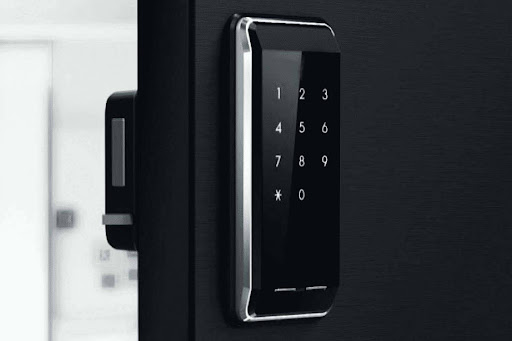
How response time and availability factor into choosing a 24 hour locksmith Orlando.
Availability means not only advertised hours but also realistic drive times and on-call staffing in your neighborhood. If a technician says they can open a door without damage every time, treat that as suspicious unless they explain the method. When I was on-call in busy districts, I found realistic arrival times varied wildly between midday windows and late-night calls, so I built client expectations around ranges. A formal SLA makes the relationship predictable and gives both parties measurable service goals.
How to test a locksmith's competence during the initial call and onsite visit.
A thoughtful dispatcher will probe for building construction, whether the door is glass or steel, and if there are multiple people locked out; those details shape the response. A professional will present a company ID, a written estimate for non-emergent work, and will log the call with a job number. Ask to see previous invoices or references from similar businesses, or ask for photos of past commercial jobs to judge workmanship and attention to detail. A competent tech talks you through options: immediate entry, temporary measures to secure the site, and a follow-up plan for durable fixes, with associated costs for each choice.
Common findings in commercial lockout assessments and their practical fixes.
I have seen expensive lock replacements fail within months because the underlying frame problems were never addressed. Panic hardware inspection should include cycle testing, hinge checks, and latch engagement measurements to confirm it meets code and function. For multi-site businesses, converting problem doors to a single restricted-key system can reduce rekey costs and improve control. Small businesses sometimes think access control is set-and-forget until a former employee still opens doors months later.
Pricing landscape and what fair estimates look like for commercial assessments and emergency entry.
If a proposal includes a detailed capital plan with part numbers and labor estimates, expect to pay a premium for that level of detail. Onsite emergency entry pricing varies by time of day, complexity, and whether destructive entry is required, and typical ranges often double after hours. When you receive a quote that recommends replacing hardware, request part numbers and brand names so you can compare apples to apples with other bids. If finances are tight, discuss phased implementations: immediate critical fixes now, noncritical upgrades later, and a schedule that balances security with budgeting.
How to structure a simple contract or SLA with your locksmith provider.
Always require proof of insurance that covers property damage and liability, and make insurance checks part of vendor onboarding. Negotiate warranty terms for labor and parts separately, and document when warranties start, how claims are made, and any transferability to new owners. SLA penalties are rare in small deals but useful for larger multi-site arrangements. If you want key control, add explicit procedures for key issuance, log keeping, and audits into the contract to avoid unauthorized duplication.

Simple operational changes that cut emergency callouts and strengthen access control.
Consistent minor upkeep beats crisis work; for example, tightening hinge screws yearly prevents sag that leads to misalignment. Staff education reduces frantic calls at odd hours and ensures alarms are handled correctly during entries. Standardize hardware across multiple locations when possible to simplify rekeying, ordering parts, and technician familiarity. Keep a small budget for quick fixes like long screws for strike reinforcement, new weatherstrips, or a replacement latch, so technicians can leave a durable repair instead of a temporary bandage.

Deciding between a single trusted locksmith and competitive bidding for major projects.
A long-term provider knows your doors, standard keying, and typical failure modes, which reduces diagnostic time. Use the assessment reports to generate an accurate spec for bidding rather than relying on contractor memory. If you hire one provider, require periodic performance reviews and keep procurement flexibility to bring in specialists when needed. Document everything: invoices, assessment reports, warranty claims, and key logs so vendor changes do not create security gaps or knowledge loss.
A short actionable checklist to use when you need a 24 hour locksmith Orlando for commercial assessments.
Ask for proof of insurance, local references from businesses https://blogfreely.net/slogannljm/24-7-locksmith-near-me-for-apartment-lost-key-emergency like yours, and an itemized sample report before you hire. Clarify response times, after-hours rates, and what constitutes emergency work in writing so there are no surprises on invoices. Request part numbers and brands for recommended hardware and insist on photos with the final invoice to document repairs. A little discipline in upkeep pays for itself in fewer late-night calls and more secure doors.
With clear expectations, documented assessments, and periodic reviews, your Orlando locksmith can protect business continuity and reduce risk. Good records cut decision time during the next incident. Expect improvements over time, not instant perfection, and choose a partner who can prioritize and implement changes in phases.